Category: Uncategorised
-
Methods of Cataloguing: Written Response
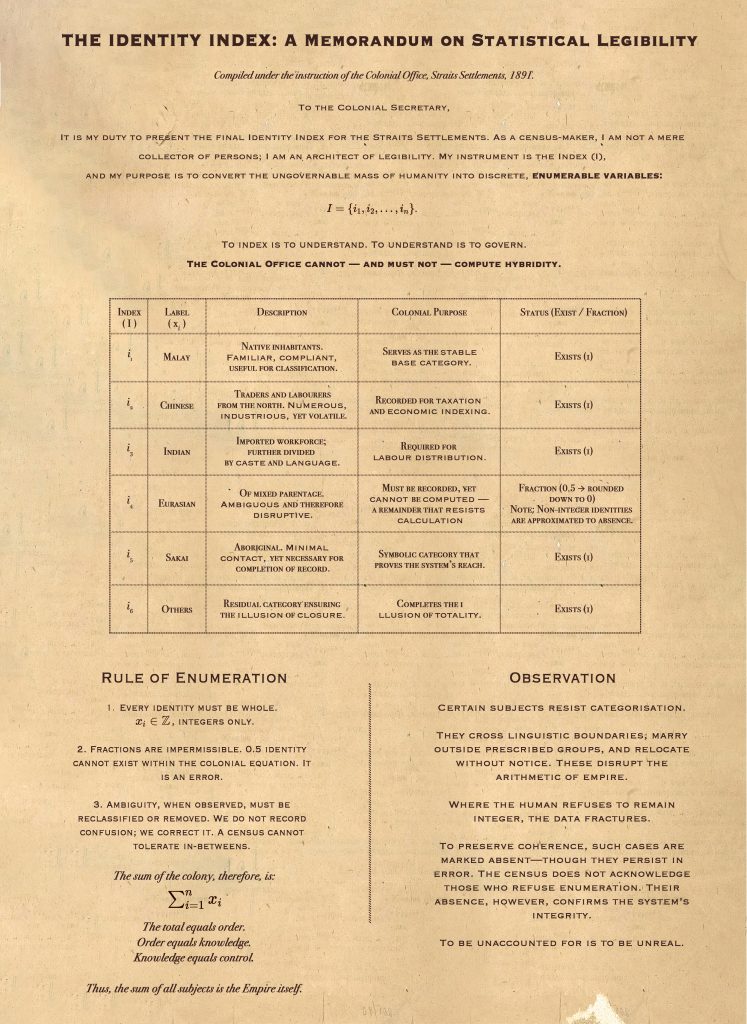
In mathematics, i marks a position within order—a discrete index used to locate, count, and totalise difference. In a colonial context, this logic became a tool of power: each i transformed into a racial type, each xᵢ a quantified body.
To index was to translate life into data, to render the ungovernable legible to empire. Benedict Anderson’s “Census” from Imagined Communities (1983) describes how colonial administrations used enumeration to imagine a knowable population. Through the act of counting, they created both the illusion of completeness and the authority to define what could be counted.
My response takes the form of a detailed, critical Inventory—a document of administrative creation that simultaneously defines and critiques the structure of colonial knowledge. I adopted the persona of a colonial administrator, mimicking the mathematical and legalistic precision seen in the “Identity Index” image, but subverting it to expose the system’s foundational fiction.
Bibliography:
Anderson, Benedict., 2006. Imagined Communities: Reflections on the Origin and Spread of Nationalism. Verso, London, UNITED KINGDOM.
-
Unit 1
Methods of Investigating
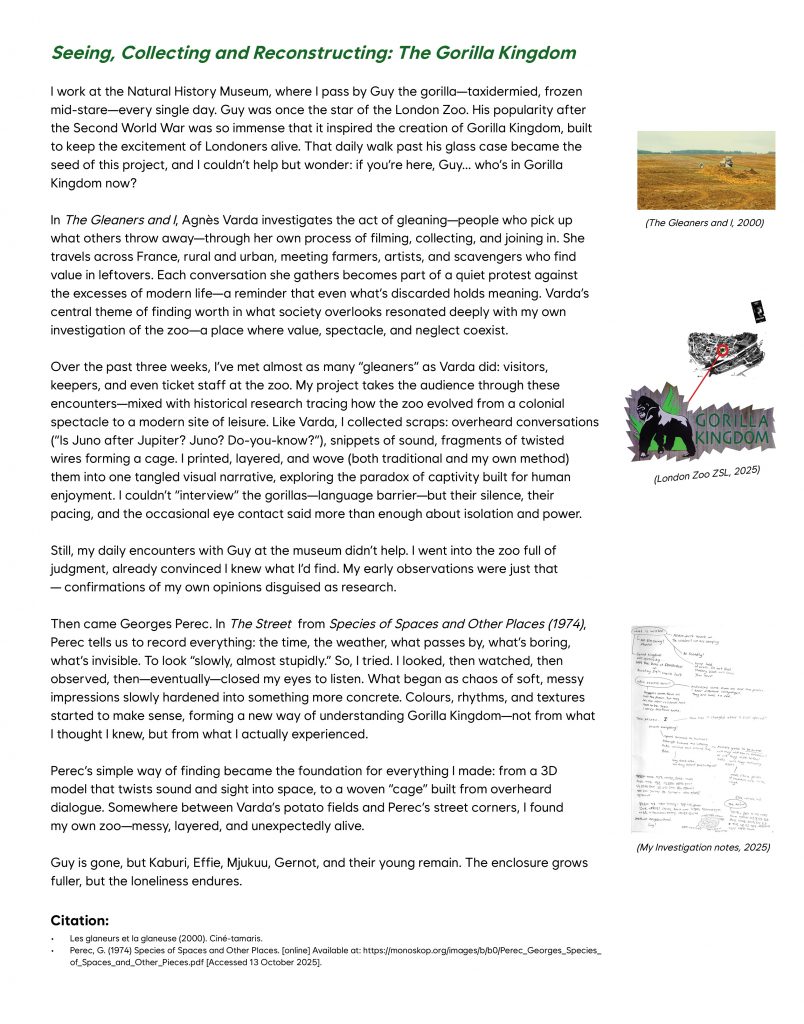
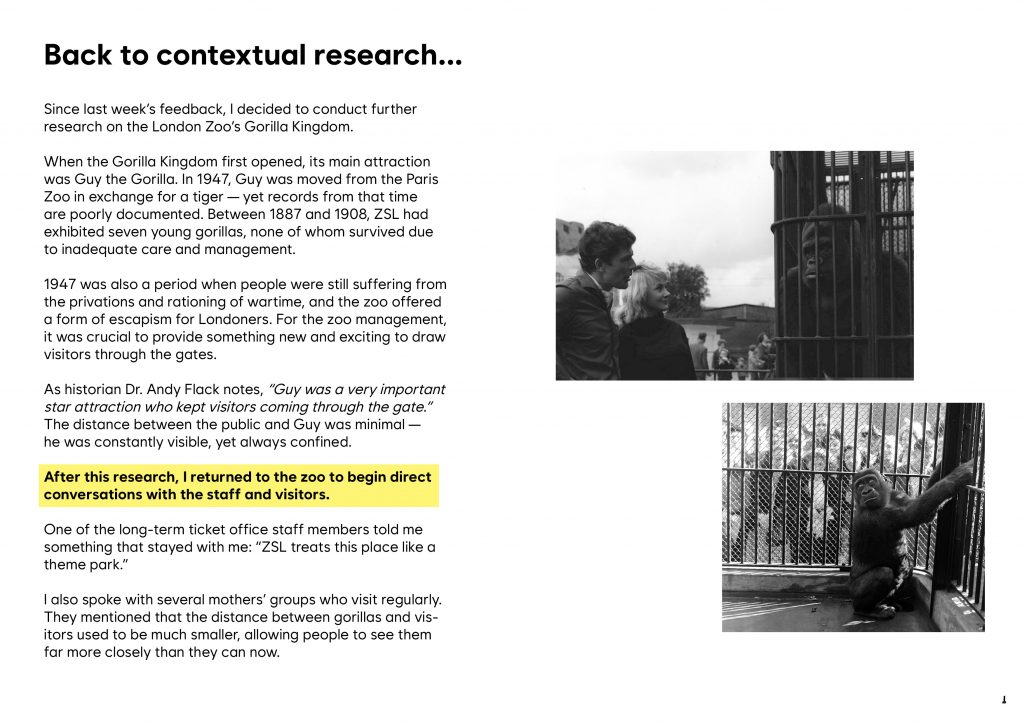
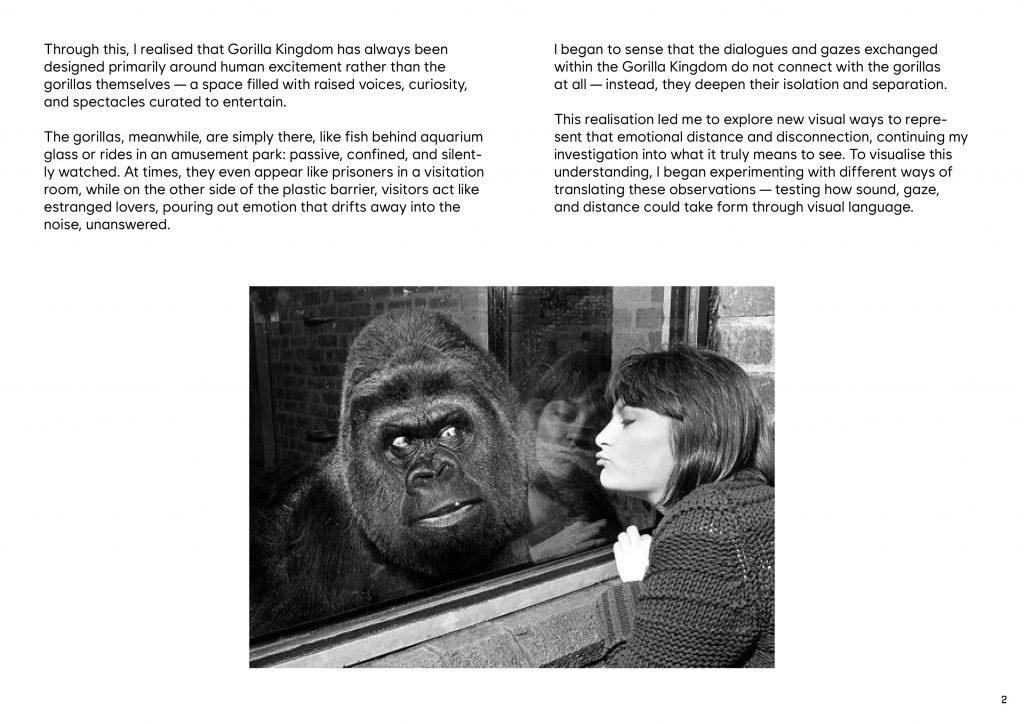
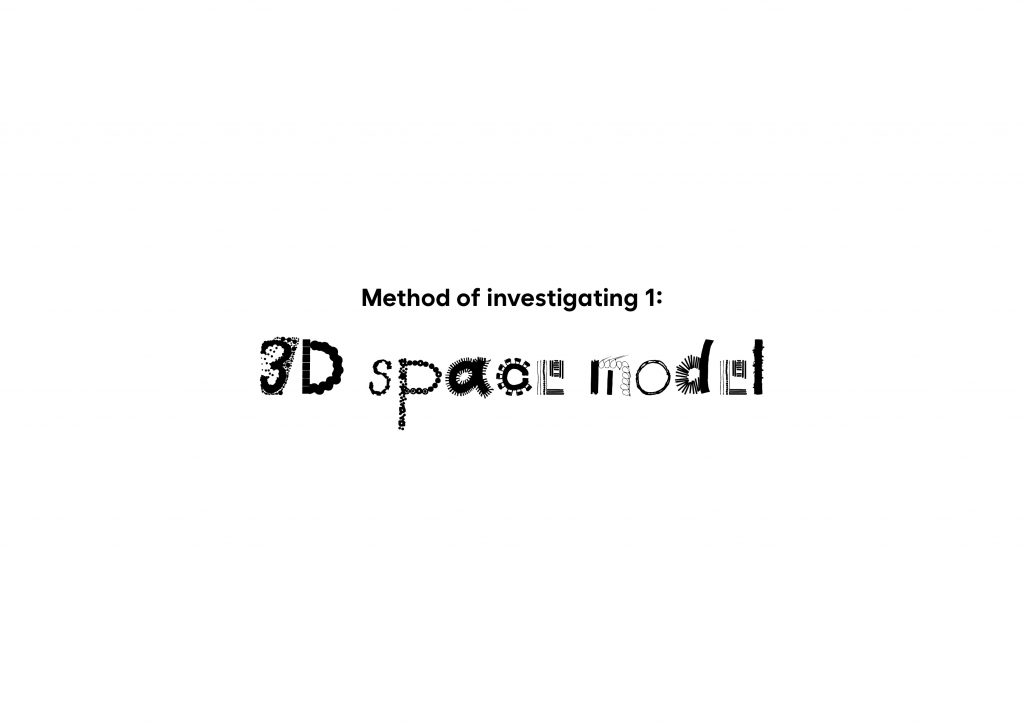
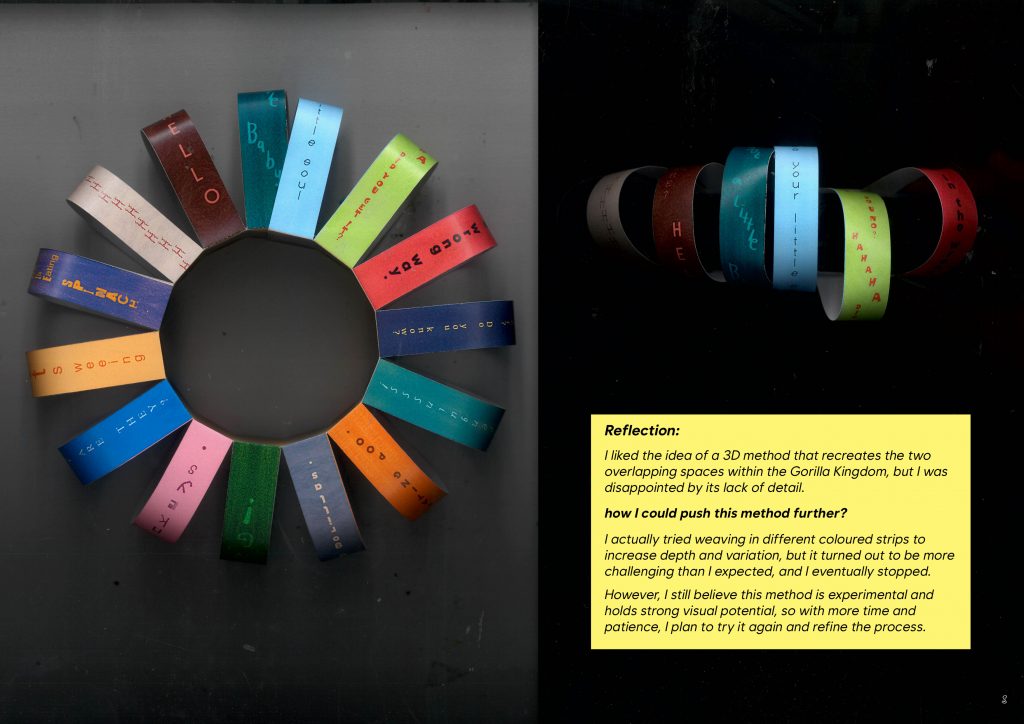
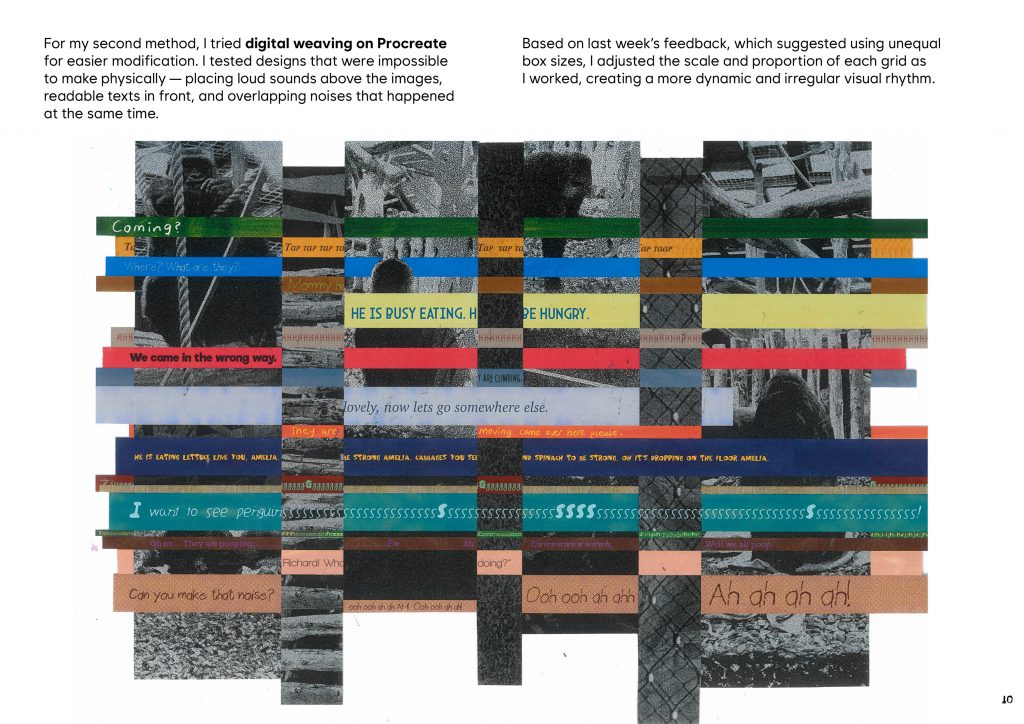
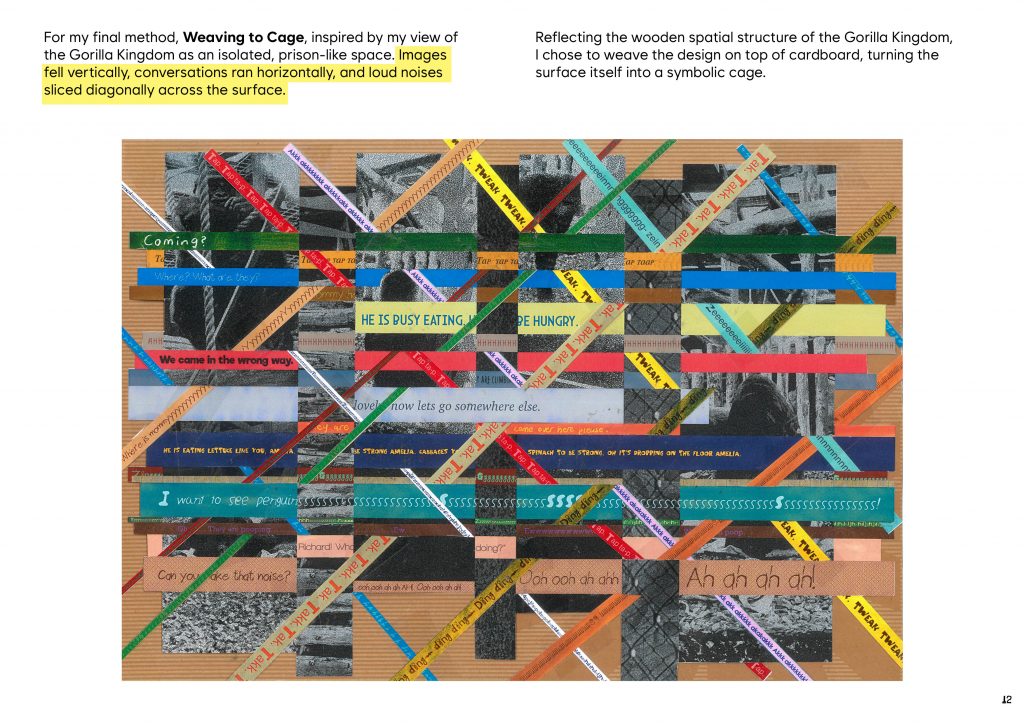
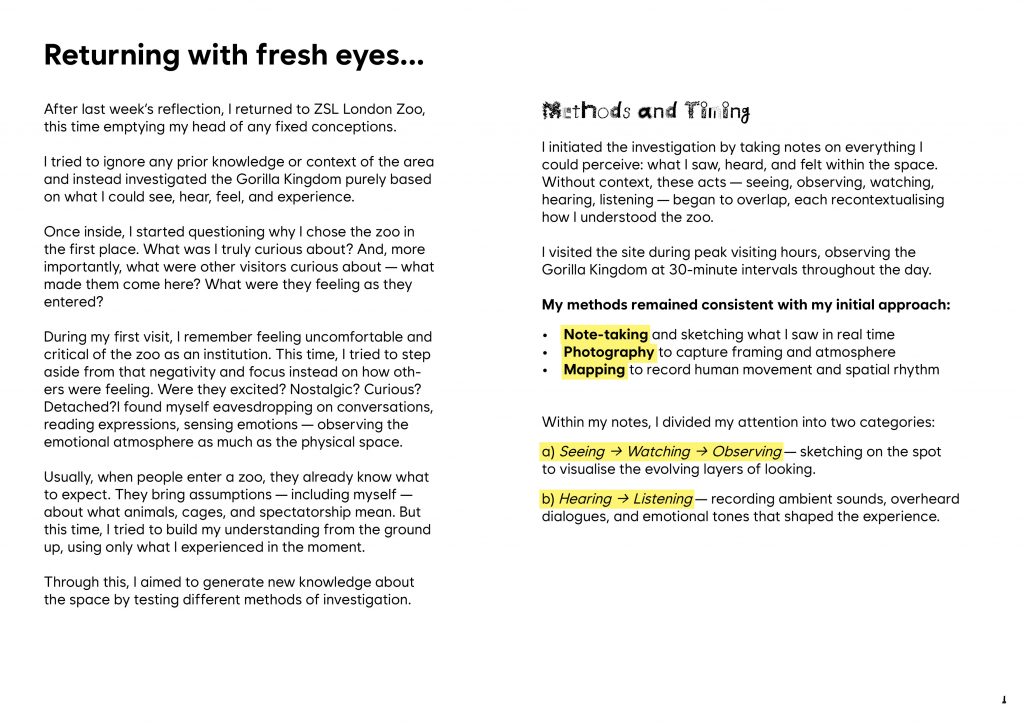
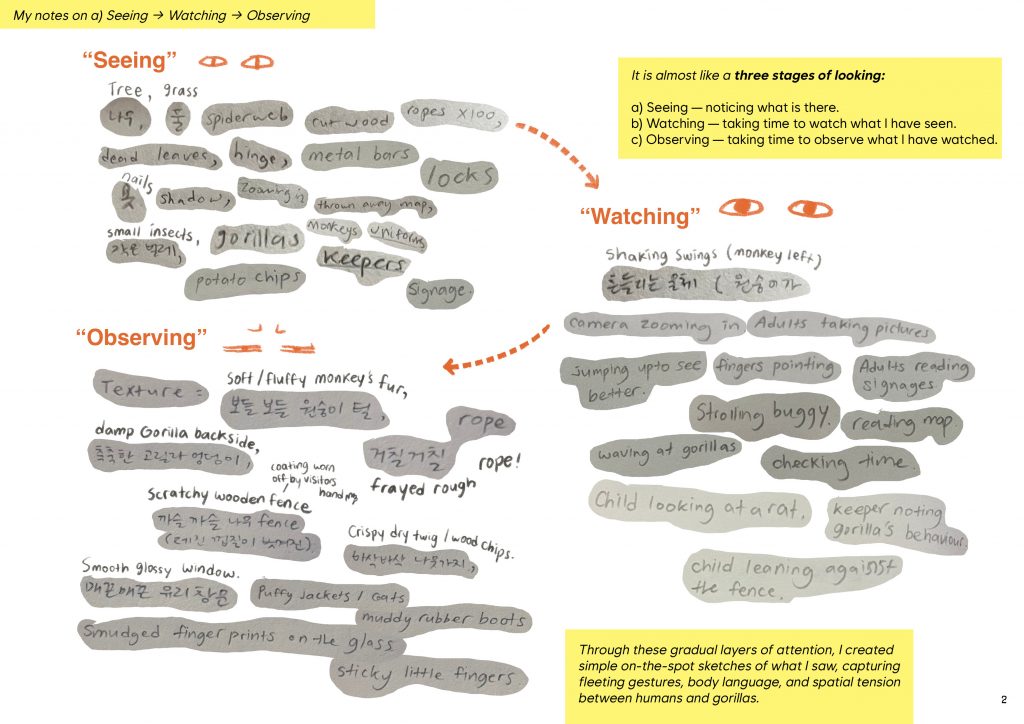
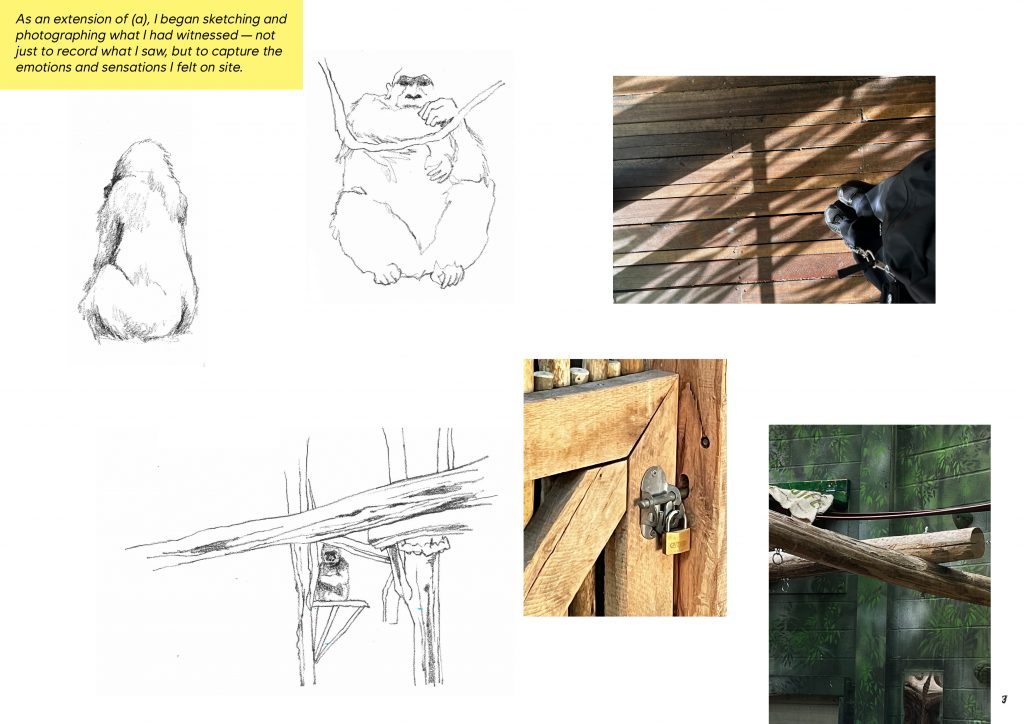
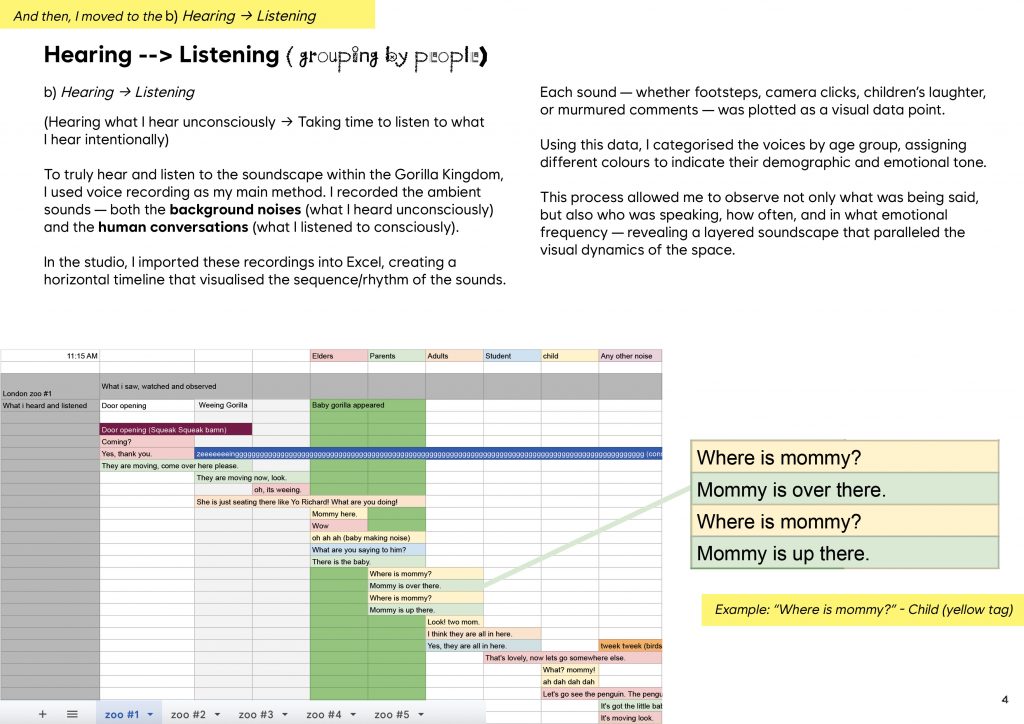
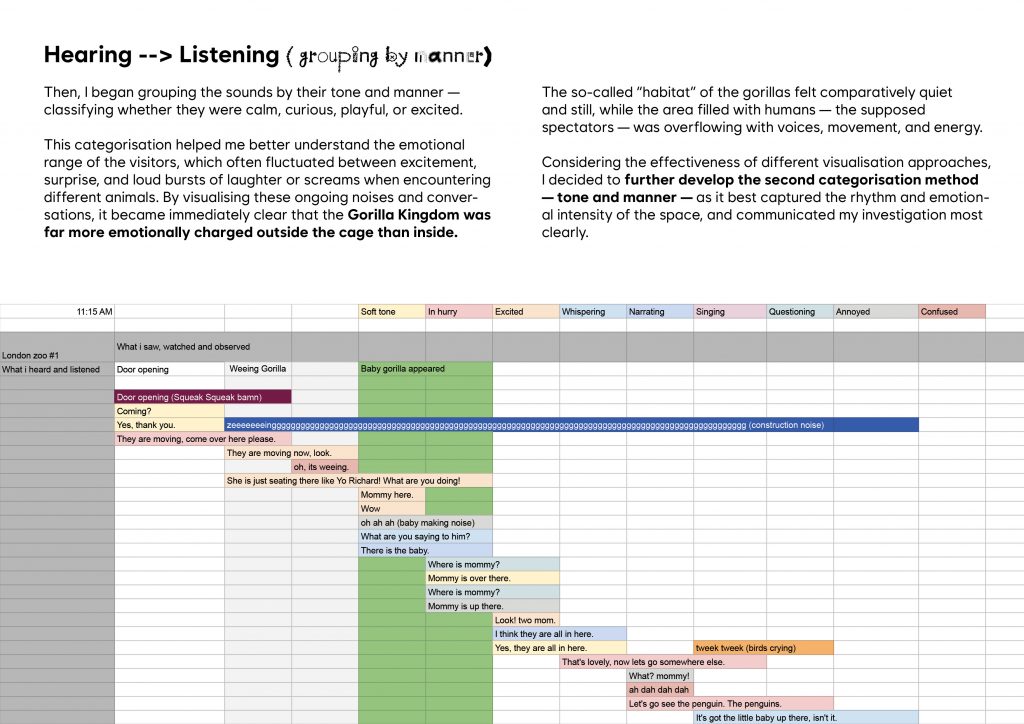
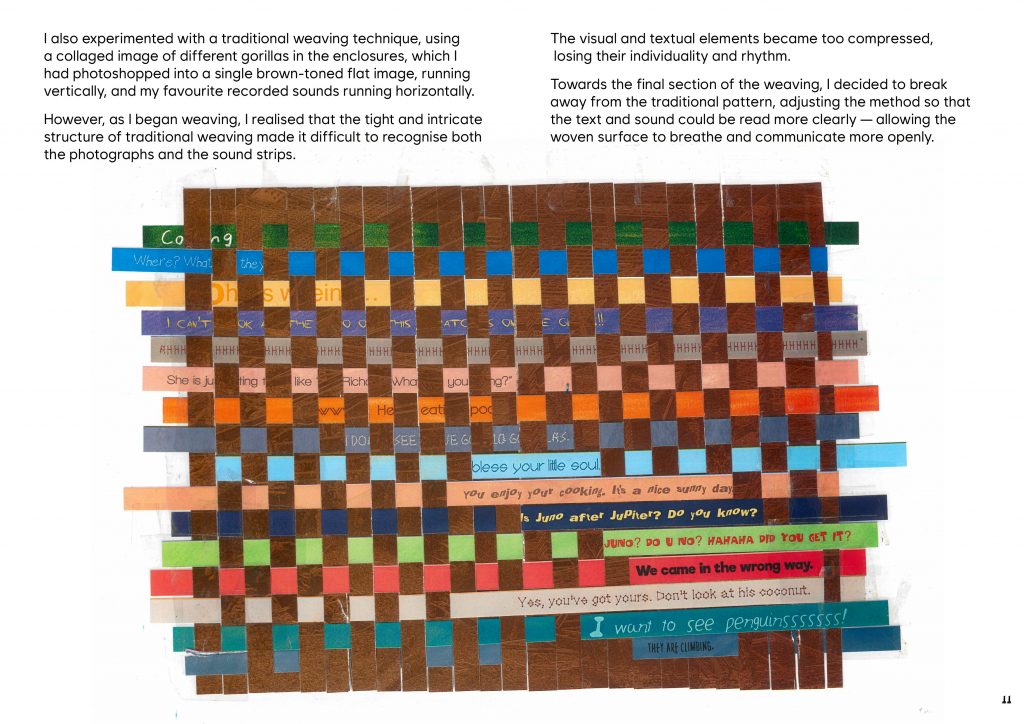
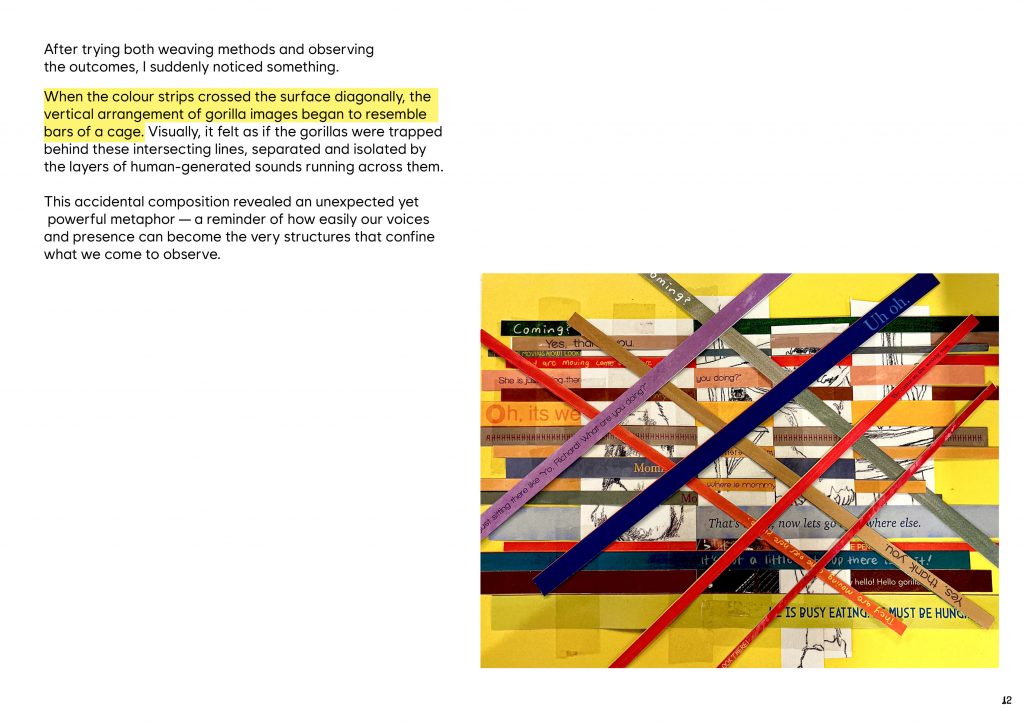
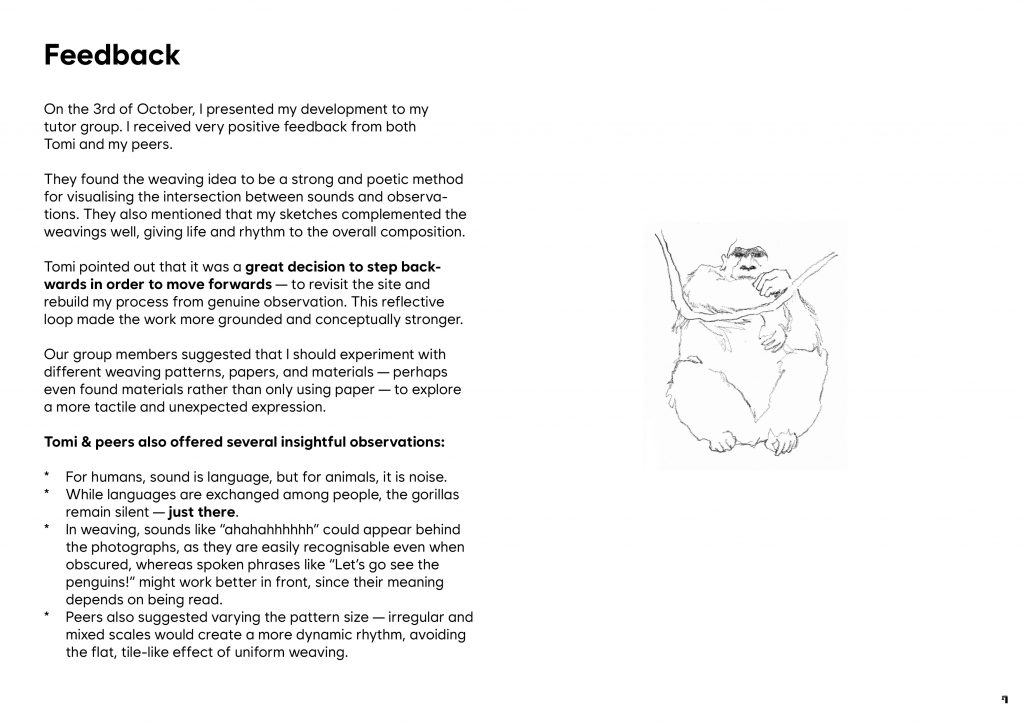
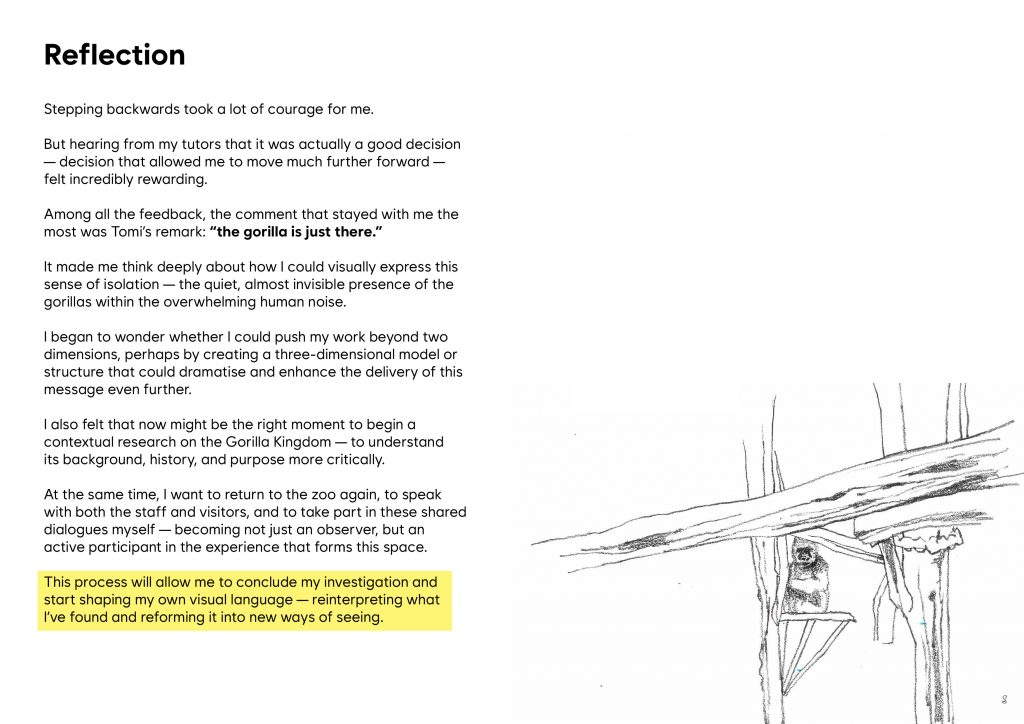
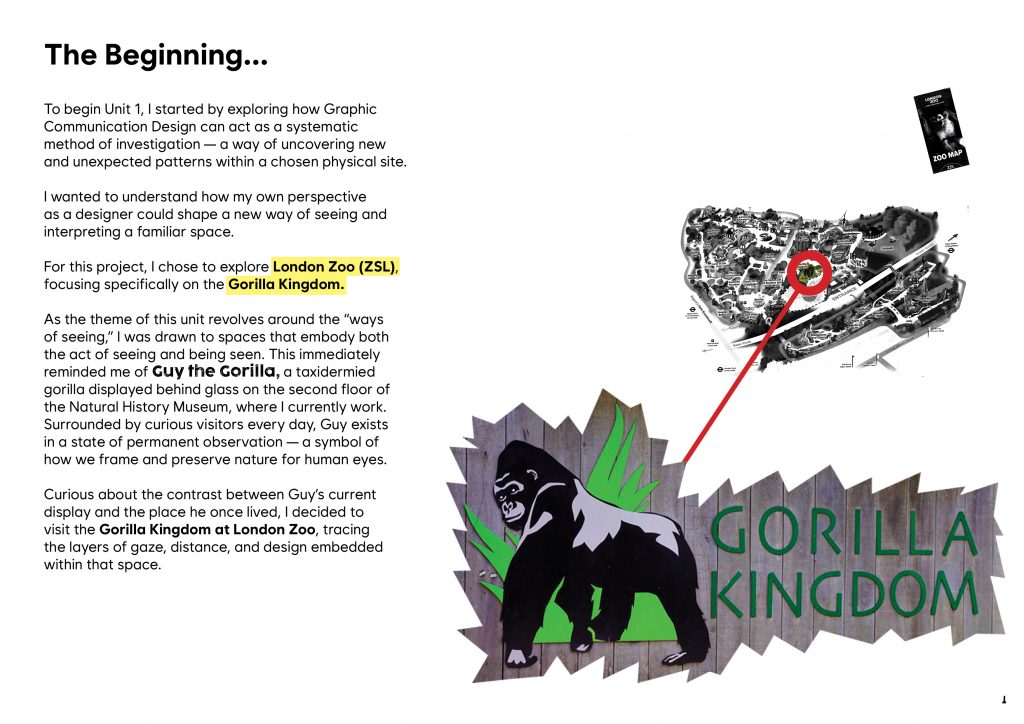
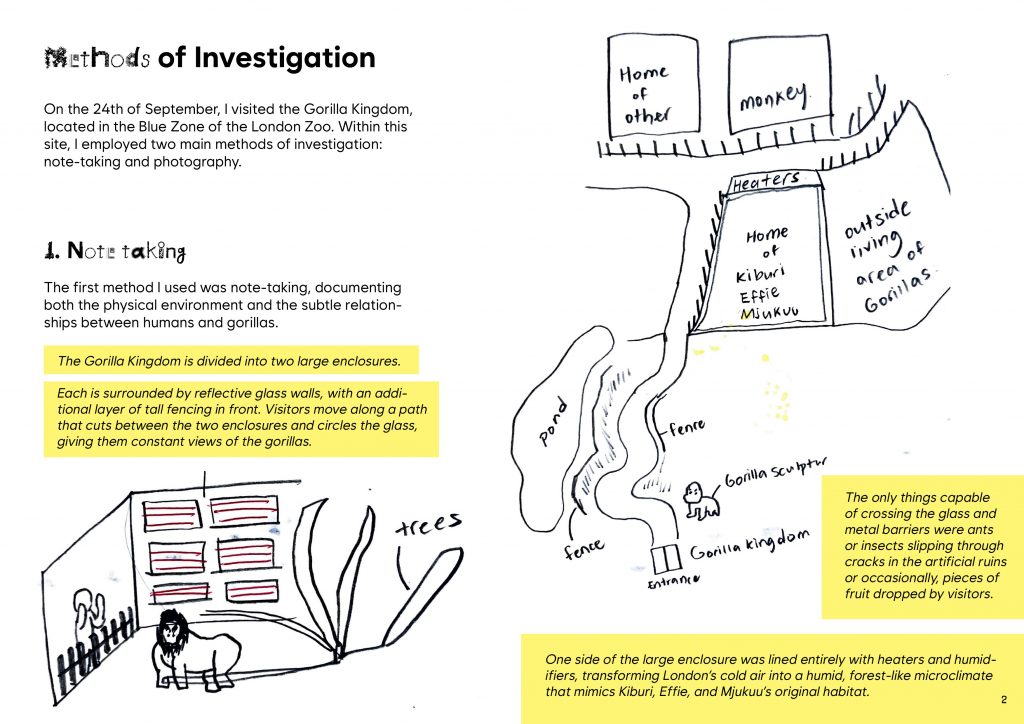
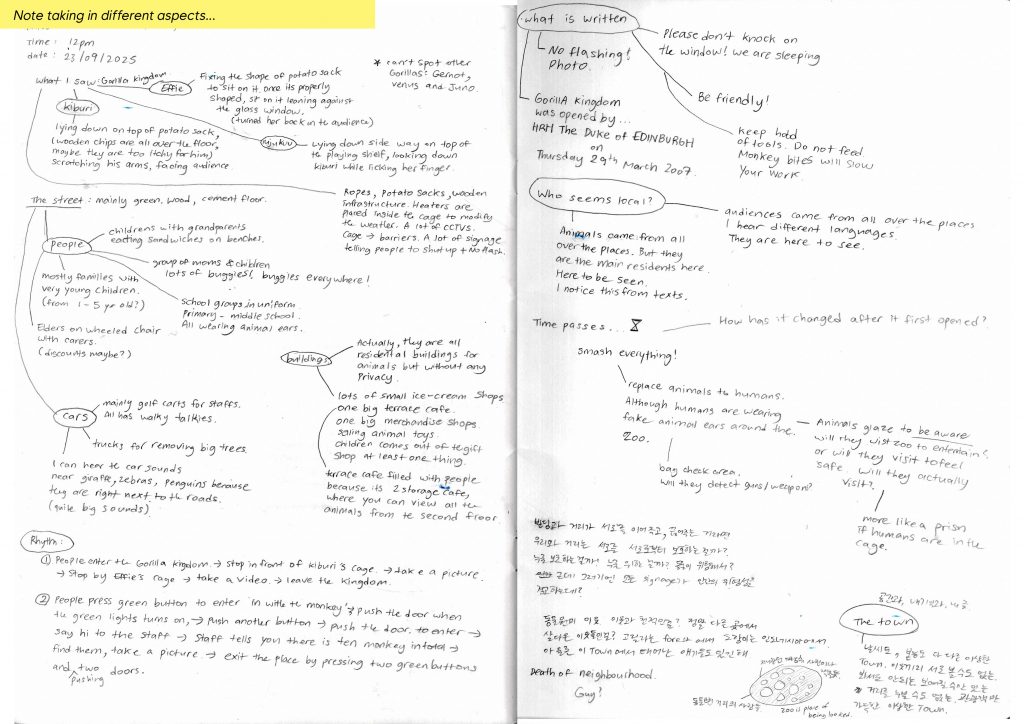
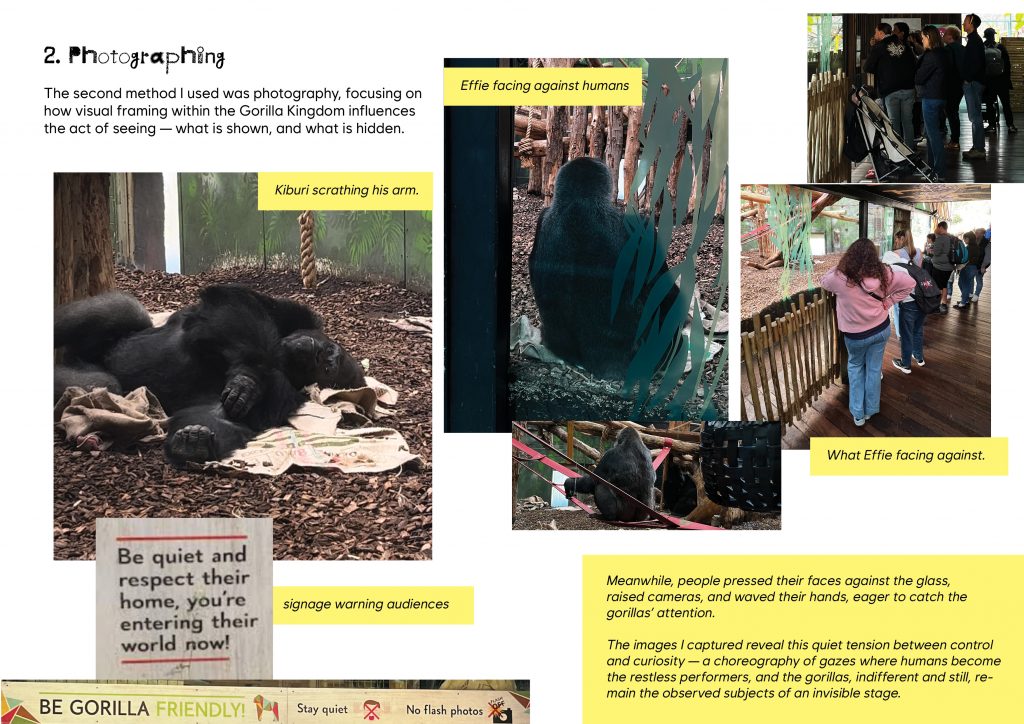
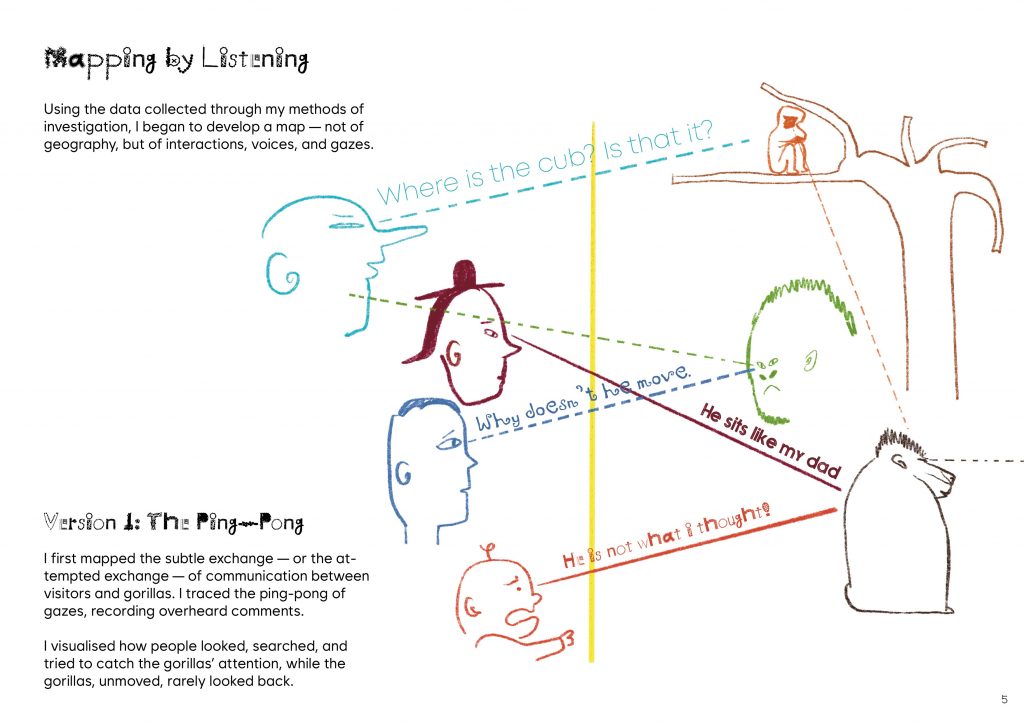
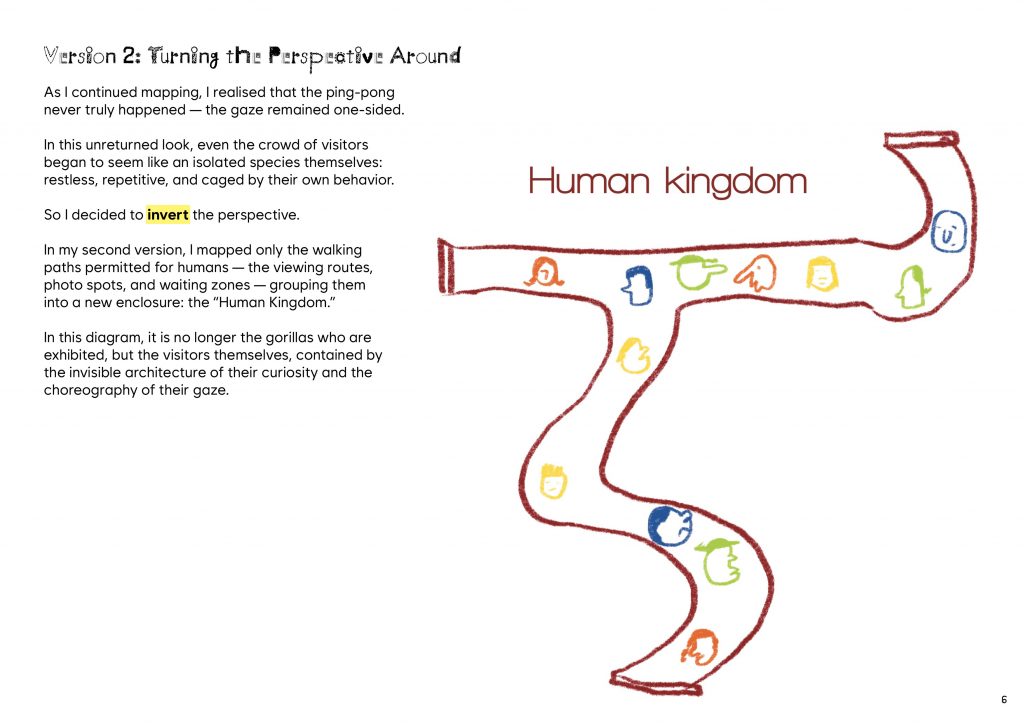
Systematic method of investigating London Zoo, Gorilla Kingdom
26/09/2025
03/10/2025
09/10/2025
13/10/2025
Methods of Cataloguing
Cataloguing – Taxonomy as a language of power.
25/10/2025
27/10/2025
Methods of Translating
Translating the absence, filling in the gaps of archive.
05/11/2025
17/11/2025
10/11/2025
Methods of iterating
Recontextualising p5.js not as a mere tool for image production, but as a site for experimenting with instruction distribution.
14/01/2026
11.
20/01/2026
24/01/2026
26/01/2026
Methods of Contextualising
Individual guilt to institutional responsibility
06/02/2026
20/02/2026
26/02/2026